Machine-grade and hand-grade stretch film are made from the same LLDPE polymer, come off similar cast lines and look nearly identical on a spec sheet — yet the wrong choice can silently inflate your packaging cost by 30–40%. Here's what actually separates the two, and how to pick the right one before your next order.
The core difference: how they're stretched
Hand-grade stretch film is engineered to reach its stretch potential through manual force — typically 50–100% elongation applied by a person walking around a pallet. Machine-grade stretch film is engineered for the far higher, controlled forces of an automatic or semi-automatic pallet wrapper — routinely 250–300%+ elongation, applied consistently to every pallet.
That 3–4× stretch difference is where the money hides.
The economics — a real-world example
Consider a 3PL wrapping 200 export pallets per day with 20 μm film at 500 mm width. With hand-grade film at 100% stretch, each pallet consumes ~180 grams. With machine-grade film at 300% stretch on an automatic wrapper, each pallet consumes ~65 grams. That's a 64% reduction in film per pallet — for the same wrap coverage.
Multiply out: 200 pallets × 26 working days × 115 g saved per pallet = 598 kg less film per month. At export LLDPE film prices, that's a five-figure annual saving on packaging alone.
But the equation isn't just film cost
1. Do you actually have a wrapping machine?
If your dispatch team wraps by hand, machine-grade film is the wrong call. It's engineered for higher tensile force than a human can safely apply — you'll get inconsistent wrap tightness, hand fatigue and inconsistent pallet stability.
2. Wrapping machine amortisation
A basic semi-automatic pallet wrapper costs $2,500–$5,000. For any dispatch operation shipping more than 30–40 pallets a day, the machine pays for itself in film savings within 12–18 months. If you're currently wrapping 30+ pallets daily by hand, consider this the strongest signal to switch.
3. Roll length and downtime
Machine-grade rolls come in 1500–3000 m lengths, versus 150–400 m for hand-grade. On an automatic line, longer rolls mean far fewer roll changes and dramatically reduced downtime — another silent saving.
How to spec each format
Hand-grade — the practical spec
- 12 – 25 μm micron (17 μm is the sweet spot)
- 250 / 400 / 500 mm width (500 mm is standard for export pallets)
- 150 – 400 m per roll
- Two-side cling, ergonomic weight (< 5 kg per roll)
Machine-grade — the practical spec
- 17 – 51 μm micron (20 μm handles 70% of export pallets)
- 500 / 750 / 1000 mm width
- 1500 – 3000 m per roll
- Pre-stretch tolerance 250-300%+
- High puncture and tear resistance for automatic tension
A quick decision checklist
- Wrapping < 20 pallets/day, manual dispatch → Hand-grade, 17 μm × 500 mm
- Wrapping 20-40 pallets/day, thinking about a wrapper → Semi-automatic + machine-grade 20 μm
- Wrapping 40+ pallets/day, high-throughput 3PL → Automatic wrapper + machine-grade 17-20 μm at 500 mm
- Mixed operation (manual + machine on different lines) → Stock both grades; keep hand-grade on manual carts, machine-grade on the wrapper
Why a fresh cast line matters
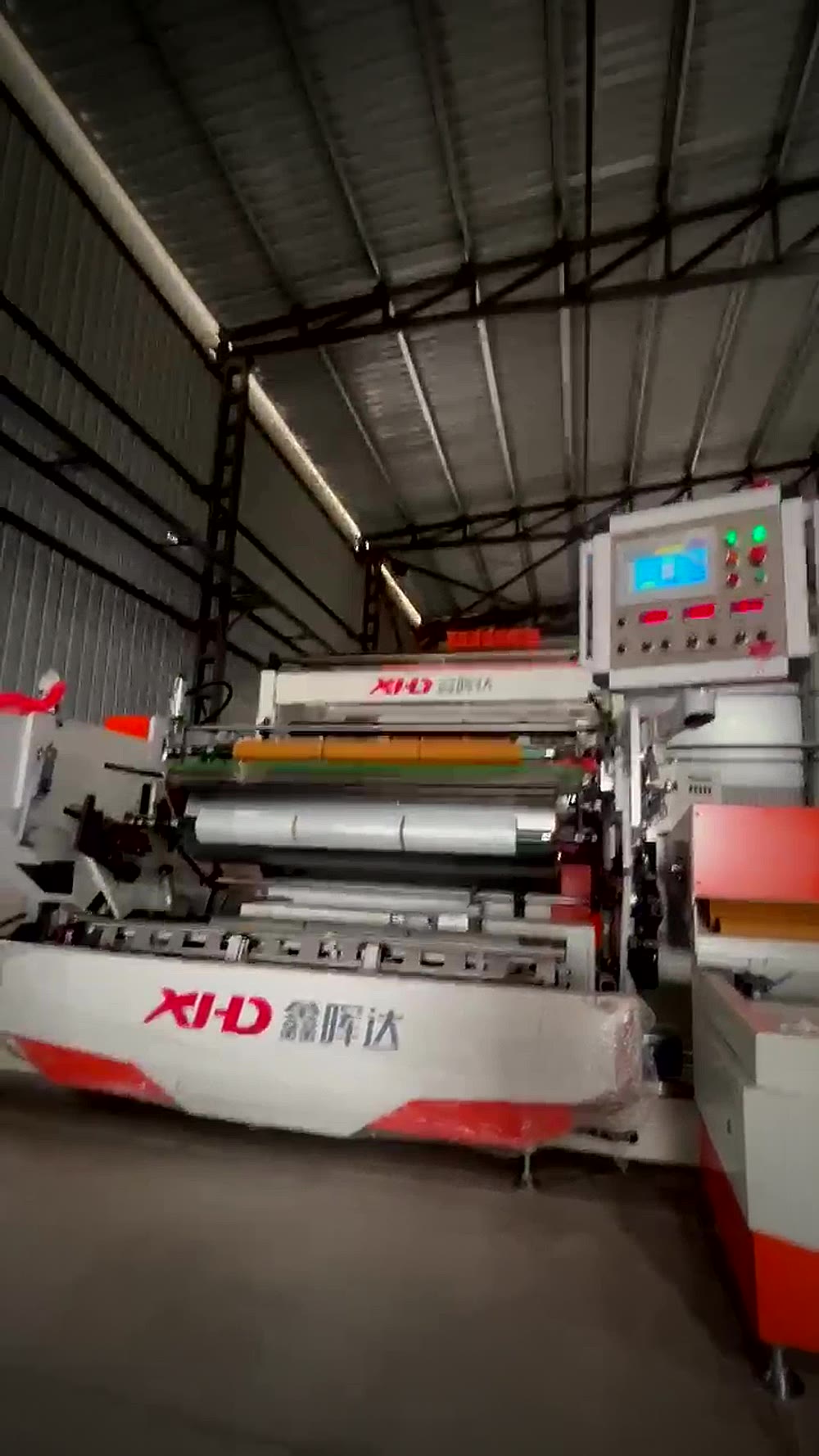
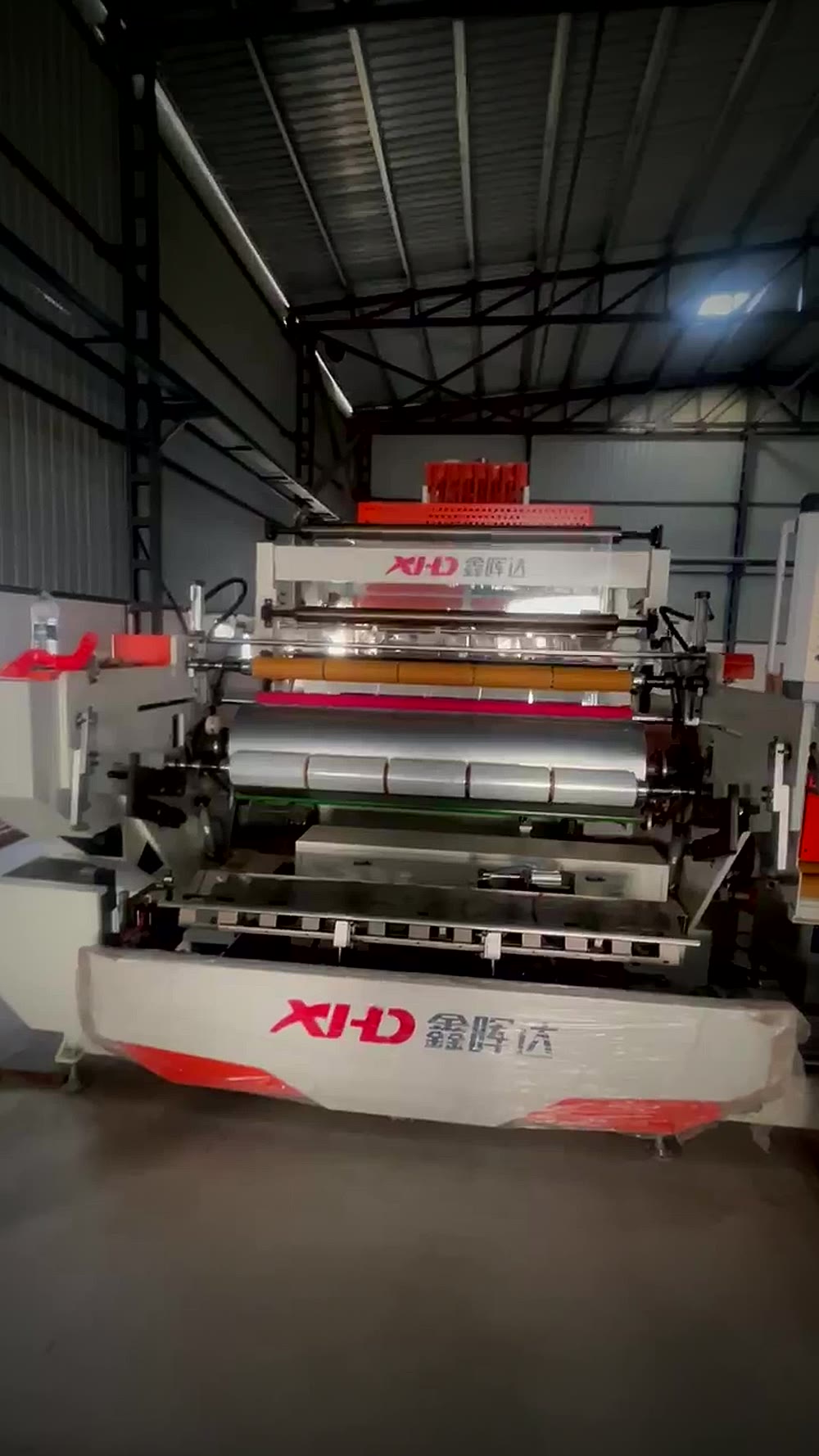
The machine-grade stretch film manufactured on our newly-commissioned 2026 cast line at Patan, Gujarat delivers a consistent gauge across the full 1000 mm web — critical for high-speed wrappers. Consistent gauge means consistent pre-stretch, which means consistent load stability across every pallet in your container.